Last week, I read a random news report in a Malayalam daily about a 19-year-old woman who committed suicide because her husband bullied and shamed her for being dark-complexioned. At first glance, the news did not strike me as anything great, but as I kept reading, the story flashed images of what the woman might have gone through that came to my mind. I can’t help but think about how, as a society, we’ve committed an abetment to suicide in this case. Is it just the husband’s bullying that has made her feel less about her skin color, or is our society at fault as well? I believe the latter is equally or more responsible.
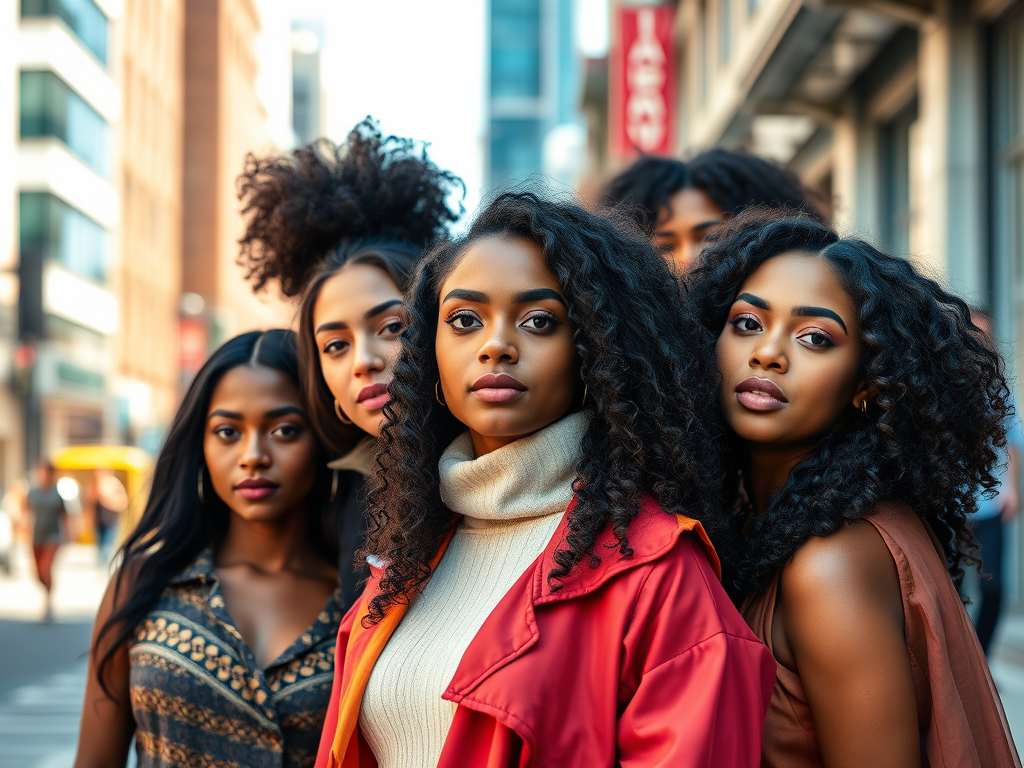
How is being dark-skinned deemed in Indian society? When a child is born, Indians have two major concerns: firstly, to see the gender, then it’s the skin complexion. You would see a lot of disappointed family members if the baby were a girl but more so, if it is a girl and if she’s dark-skinned. The obsession with fair skin is everywhere from billboards to television screens. Even when most of our population is brown and dark-complexioned, the heroines we see in television soaps and movies are mostly fair-skinned. There is a lack of representation of dark-skinned women as desirable in the movies and visual media.
This lack of representation has undeniable negative impacts. Have you thought of that young dark-skinned girl watching these movies? Have you wondered what might be going on in her mind when she never sees anybody like her portrayed as desirable or beautiful? She might feel invisible, undesirable, and might even feel inadequate. Toni Morrison rightly puts it, “the death of self-esteem can occur quickly, easily in children, before their ego has ‘legs,’ so to speak.” I would recommend Toni Morrison’s ‘The Bluest Eye’ as this text might be the one single book you need to read to really understand how devastating it could be to feel inadequate because of one’s skin color.
Not surprisingly, fairness and whitening creams are high in demand in Indian society. Society urges women to aspire to be fairer, instilling an idea of inferiority in their natural skin. Society treats men and women differently even when it is about skin color. You see many dark-skinned heroes but not many heroines. The yardsticks of beauty and how it is what it is today are yet another bigger topic of discussion. Do we need tragedies like that of this 19-year-old woman who killed herself to fathom the harm such societal prescriptions of beauty have on people’s minds?
It is not all hopeless; there is so much change happening in our society, and there is more acceptance for people of all colors. On a closing note, though cliché, I would like to remind everyone to be proud of who you are and how you are, no matter your skin color or any other physical attributes. The Earth belongs to all of us equally to live and thrive. Let no one tell you otherwise.
 Hima's Pages
Leave a comment